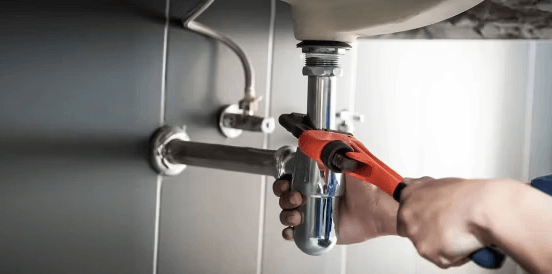
Noisy pipes arise from how water flow interacts with components, supports, and valve activity, producing transient surges, flow reversal, and resonant vibrations that may evolve into water hammer or clanks. Quick fixes include tightening connections, securing supports, and applying clamps, with modest flow adjustments. If noises persist, diagnostic steps address air entrainment, structural faults, and vibration sources, followed by targeted repairs. A practical path toward reliable quiet is outlined, but the next steps require careful assessment of each contributing factor before proceeding.
How Noisy Pipes Actually Happen
Noisy pipes arise primarily from water flow interacting with pipe components and support structures, producing distinct acoustic phenomena. The mechanism centers on transient pressure surges and flow reversal, yielding vibration propagation through walls.
Causes of water hammer include sudden valve closures and high flow velocity. Pipe material resonance amplifies these impulses, converting them into repetitive tones and clanks that indicate system stress and potential fatigue.
Quick Fixes for Everyday Noise
The approach emphasizes durable, simple interventions: tighten connections, secure supports, install clamps, and adjust flow where permissible.
Cozy maintenance concepts appear as routine care; budget upgrades favor affordable weatherproof straps and arrestors, ensuring consistent operation without excessive expenditure.
Diagnosing More Serious Causes
To diagnose more serious causes of piping noise, technicians begin by distinguishing between water hammer, air entrainment, and structural or appliance-related issues. If causes not typical emerge, diagnostic steps focus on system pressure, valve staging, and pipe support integrity. In emergency scenarios, rapid isolation, corroborated by flow and sound measurements, prevents escalating damage while guiding targeted repairs.
Long-Term Quiet: Preventive Fixes and Upgrades
Building on the diagnostic findings from the previous subtopic, preventive strategies address root causes and minimize recurrence through system-wide planning.
Long-Term Quiet emphasizes upgrades, material selection, and hydraulic balancing to maintain stability.
Implement tiered maintenance, isolate vibration sources, and document changes for traceability.
Note: unrelated topic discussions should be avoided to preserve technical integrity and focus on auditable, repeatable outcomes.
See also: Bitcoin Halving Explained: What It Means
Frequently Asked Questions
Can Pipe Noise Indicate Water Contamination Risks I Should Worry About?
Noise escalation does not inherently indicate contamination; however, potential risk exists if unusual odors, color, or sediment accompany it. Investigators should assess air entrapment and system integrity, perform targeted sampling, and ensure proper pressure control and flow verification.
Do Noise Issues Affect Your Home’s Resale Value or Insurance?
A surprising 62% of homebuyers cite quiet plumbing as a top decision factor, so noise issues can influence resale and insurance value. Addressing noise improves risk perception, boosts resale appeal, and may lower premiums over time (noise resale).
Can Pipe Noise Be Louder at Certain Times of the Day?
Yes, pipe noise can be louder at certain times. Increases align with daily temperature shifts and pressure fluctuations, producing distinct noise patterns that correlate to demand cycles and water velocity changes within the system.
Are There Myths About Pipe Rust or Scale Causes I Should Ignore?
Myth debunking shows there is no inherent, universal pipe rust cause; scale misconceptions may mislead. The authoritative assessment notes rust particles seldom trigger noise; instead, water flow dynamics and fittings predominate, with targeted cleaning and flow optimization recommended.
How Do Noise Levels Relate to Building Code Compliance and Permits?
Water hammer concerns influence building code compliance and permits; rigorous vibration analysis informs acceptance, restricted allowances, and required mitigations. Codes reference max noise thresholds, structural supports, and inspection checkpoints, guiding permit issuance and enforcement with objective, actionable criteria.
Conclusion
Noisy pipes stem from flow-induced interactions with fittings, supports, and valves, producing transient surges, vibration, and occasionally water hammer. Quick fixes target loose connections, unsecured supports, and minor flow adjustments, while diagnostics differentiate air entrainment, structural faults, and valve activity. Long-term strategies emphasize system balancing, material upgrades, and robust maintenance records. Investigating the theory that sound results reflect resonance with structural components clarifies emphasis on proper mounting and isolation. When aligned, audible noise reduces reliably and system longevity improves.