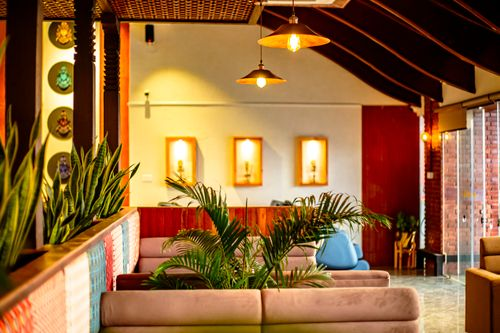
Walk through the older lanes near Krishna Mutt, and you notice something. Even on a humid May afternoon, the older homes feel cool inside. Sloping roofs, deep verandahs, courtyards open to the sky. Interior design in Udupi has always carried this quiet wisdom in its bones. Much of it, sadly, gets forgotten the moment a new project starts.
Most homeowners today want a modern look. That makes sense. Yet many new homes in Udupi end up feeling like flats lifted from a Bengaluru tower and dropped beside the Arabian Sea. Interior design in Udupi done well does not copy templates from elsewhere. It listens to the climate first, then the family, then the trends.
The same goes for interior designers in Coastal Karnataka who understand that the region is not just a postal address. It is a way of building. Heavy rain, salt air, long humid stretches, a culture rooted in temples and joint families. Each of these shapes the choices that get made on a floor plan.
The Old Houses Still Teach Us Something
Take the Guthu houses of the Bunt community, scattered across Udupi district. Sloping roofs tiled with Mangalore tiles handle the heavy rains, while open courtyards and large verandahs provide ventilation and coolness against the coastal heat. These were not aesthetic choices. They were survival choices that turned beautiful over time.
You see the same logic in the Thotti Mane layouts, with central courtyards that pull light and air right into the heart of the home. The old builders did not have manuals. They had observation and memory on their side, plus a stubborn respect for what the land asked of them. Modern designers are still catching up, honestly.
What Modern Homes Borrow from the Coast
Today’s homes can carry these ideas without looking like museums. The trick lies in editing, not copying. A few elements worth holding onto:
- Mangalore tile roofs that drain a 4,100 mm monsoon without complaint
- Laterite stone walls that breathe and weather with grace
- Internal courtyards or light wells for cross ventilation
- Jackfruit and rosewood touches in pooja rooms or doorframes.
- Wide verandahs as buffer zones between street and home
- Tulasi katte spots near the entrance, kept simple and visible.
Material honesty: Coastal homes do better with materials that age well. Polished veneers and laminates often look tired within three monsoons of installation. Local stone, terracotta, treated timber, and lime plaster age with character instead of falling apart. The choice you make here will outlast every other decision in the project.
Ventilation first, then aesthetics: A pretty room that traps humidity turns into a problem within two years. Cross airflow, ceiling height, and shaded openings matter more than wallpaper choices. Get the first right, and the second follows. Skip this step, and no amount of décor will save the space.
Why Cultural Context Matters in Your Brief
Most clients come in wanting Pinterest interiors. Nothing wrong with that, perhaps. Pinterest, though, does not know your grandmother lives upstairs, or that the family gathers for Tulu rituals twice a year. Cultural context is not a decorative add-on for the brochure. It shapes how you actually live in the space day after day.
Vastu still matters to many families here. Kitchen placement and pooja orientation are part of the brief. The way the main door faces the street counts too. A designer who treats these as quaint formalities will produce a home you stop loving within a year. The good ones build around them.
There is also the joint family question. Udupi homes often house grandparents, parents, working couples, and children together. Each generation has different routines around food, prayer, and personal space. Good design works backwards from these routines instead of forcing a Western open-plan layout onto them. The result feels lived-in from day one.
See also: When Ear, Nose, or Throat Problems Persist, Specialist Care Makes All the Difference
Where Mistakes Show Up Most Often
Skipping the climate brief is the most common mistake. Salt-laden air corrodes hardware faster than most homeowners expect. Cheap timber warps in the humidity. Paint fades by the second monsoon if it is the wrong type. A designer who specs Bengaluru-grade hardware is setting you up for replacements by year three.
What This Means for Your Next Project
A good interior earns its value over time. Day one photographs do not tell you much. Day 900 does. Udupi homes carry centuries of climate-tested intelligence, and the families who live here carry traditions worth keeping. The best interiors hold space for both, without making a fuss about it.
If you are planning a new home or renovating an old one, slow down before signing. Ask any designer what they know about this region. Find out how they handle monsoons and salt air. Get them talking about the kitchen storage your mother insists on. The answers will tell you everything.
Want a home that fits the coast you live on? Start with a conversation rooted in your context, not someone else’s mood board.