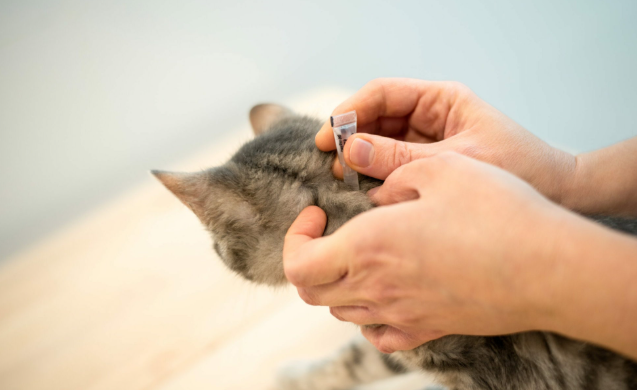
More homeowners are paying closer attention to hidden pest problems as changing weather patterns, increased travel, and pet-friendly lifestyles create favorable conditions for unwanted insects. While many people focus on visible pests, fleas often remain unnoticed until they become a serious nuisance. This growing awareness has encouraged many households to explore flea pest control services as part of a broader approach to protecting indoor comfort, maintaining hygiene, and preventing recurring infestations.
Why Fleas Are Receiving More Attention
Fleas have always existed in residential environments, but recent discussions around home hygiene and preventive maintenance have made them a trending topic among homeowners. These tiny insects can enter homes through pets, wildlife, visitors, or even secondhand furniture. Once inside, they are remarkably skilled at finding places to hide, making early detection difficult.
Unlike pests that are immediately visible, fleas often remain unnoticed while their population quietly increases. Their small size allows them to settle into carpets, upholstered furniture, bedding, cracks in flooring, and other protected spaces. By the time people notice itchy bites or unusual pet behavior, the infestation may already be well established.
Greater public awareness has encouraged people to take preventive measures instead of waiting until the problem becomes overwhelming.
Understanding the Flea Life Cycle
One reason flea infestations can be challenging is their unique life cycle. Eliminating adult fleas alone does not always resolve the issue because different stages of development may still be present throughout the home.
The flea life cycle generally includes:
- Eggs that easily fall into carpets, rugs, and furniture.
- Larvae that hide in dark, protected areas while feeding on organic debris.
- Pupae that remain enclosed inside protective cocoons.
- Adult fleas that actively seek hosts for feeding.
Each stage presents different challenges, making comprehensive treatment far more effective than simply targeting the visible insects.
Common Signs That Fleas May Be Present
Recognizing the warning signs early helps reduce the likelihood of a widespread infestation. While some indicators are obvious, others can easily be overlooked.
Common signs include:
- Pets scratching, biting, or grooming themselves more frequently.
- Small dark specks appearing in pet bedding or favorite resting spots.
- Tiny jumping insects noticed around carpets or upholstered furniture.
- Itchy bites appearing around ankles or lower legs.
- Increased pet discomfort without an obvious medical cause.
Paying attention to these signals allows homeowners to respond before flea populations expand further.
Why Prevention Is More Effective Than Reaction
Modern pest management increasingly focuses on prevention rather than waiting for infestations to develop. This proactive approach offers multiple advantages because it reduces the opportunity for pests to establish breeding sites inside the home.
Simple preventive habits can make a noticeable difference.
- Vacuum carpets, rugs, and upholstery thoroughly.
- Wash pet bedding regularly using appropriate cleaning methods.
- Maintain outdoor areas by trimming vegetation close to the home.
- Inspect pets after spending time outdoors.
- Clean furniture and soft furnishings consistently.
Preventive maintenance not only discourages fleas but also contributes to a healthier indoor environment overall.
The Importance of Professional Knowledge
Many homeowners initially attempt to solve flea problems using readily available products. While these solutions may reduce the number of visible insects, they often fail to address hidden stages of the flea life cycle.
Professional pest specialists understand how fleas behave, where they hide, and how infestations develop throughout different parts of a property. This knowledge allows treatments to target both active fleas and areas where future generations may emerge.
Jim’s Pest Control focuses on thorough inspection, tailored treatment strategies, and practical recommendations that help homeowners reduce the likelihood of future infestations.
Why Pets Need Equal Attention
Pets are often the first to experience discomfort during a flea infestation. Dogs and cats provide an ideal food source for adult fleas, making regular pet care an essential part of household pest prevention.
Responsible pet care includes more than occasional grooming. Regular inspections, routine veterinary guidance, and maintaining clean sleeping areas all contribute to reducing flea activity.
Even indoor pets can encounter fleas through visitors, shared outdoor spaces, or contact with other animals. This means every household with pets benefits from maintaining consistent preventive practices.
How Home Cleaning Supports Pest Management
Routine cleaning plays a much larger role in pest prevention than many people realize. Although cleaning alone cannot eliminate an established infestation, it significantly reduces conditions that allow fleas to thrive.
Areas deserving special attention include:
- Carpet fibers where eggs may accumulate.
- Upholstered furniture with deep seams.
- Pet resting areas.
- Floor edges and corners.
- Storage spaces that collect dust and debris.
Consistent cleaning removes food sources for developing larvae while making treatment efforts more effective.
Outdoor Spaces Matter Too
Many people think of fleas as an indoor problem, but outdoor environments frequently serve as the original source. Wildlife, neighborhood pets, and shaded garden areas can all contribute to flea activity around residential properties.
Maintaining the outdoor environment supports indoor protection.
- Keep grass properly maintained.
- Remove excessive leaf litter.
- Limit wildlife nesting near the home.
- Keep pet play areas clean.
- Reduce unnecessary clutter around outdoor structures.
A balanced approach that addresses both indoor and outdoor environments provides stronger long-term protection.
Seasonal Changes Can Influence Flea Activity
Environmental conditions often influence flea behavior. Changes in temperature, humidity, and wildlife movement can affect where fleas are found and how actively they reproduce.
Indoor heating and climate-controlled environments may also create favorable conditions throughout much of the year. This means homeowners should remain observant regardless of the season rather than assuming flea activity is limited to specific months.
Regular inspections help identify potential issues before they develop into larger infestations.
The Role of Education in Modern Pest Management
One of the biggest shifts in pest control today is the emphasis on homeowner education. People are becoming more interested in understanding why infestations occur instead of simply treating visible symptoms.
Learning about flea behavior helps homeowners make informed decisions regarding:
- Household cleaning routines.
- Pet health management.
- Outdoor maintenance.
- Early warning signs.
- Long-term prevention strategies.
An informed homeowner is often better equipped to recognize risks before they become major problems.
Building a Long-Term Prevention Plan
Successful flea management rarely depends on a single action. Instead, it involves combining multiple good habits into an ongoing routine that supports a cleaner, healthier home.
An effective prevention plan may include:
- Regular home inspections.
- Consistent pet care.
- Thorough household cleaning.
- Outdoor maintenance.
- Professional advice when necessary.
When these practices work together, homeowners create an environment that is far less inviting to fleas and many other household pests.
Why Early Action Makes a Difference
Waiting until fleas become highly visible often allows the infestation to spread throughout multiple areas of the home. Early action reduces disruption while making treatment strategies more manageable.
Homeowners who respond quickly are also more likely to prevent fleas from establishing breeding locations in hidden areas where they become increasingly difficult to eliminate.
Taking concerns seriously at the earliest signs helps preserve household comfort while supporting better long-term results.
See also: Fresno Businesses Are Growing Faster with IT Systems Built for Stability and Scale
Conclusion
Fleas may be tiny, but their impact on everyday comfort can be significant when left unchecked. As awareness of home hygiene and preventive maintenance continues to grow, more homeowners are recognizing the value of understanding flea behavior, identifying early warning signs, and maintaining consistent prevention habits. Combining proper pet care, regular cleaning, outdoor maintenance, and professional guidance creates a stronger defense against recurring infestations while supporting a healthier living environment. When expert assistance becomes the right choice, taking action promptly helps restore peace of mind. To take the next step toward a cleaner, more comfortable home, Book Your Appointment Online and make proactive pest management part of your ongoing home care routine.