Knee pain can affect every part of your daily routine, from walking and climbing stairs to enjoying your favorite activities. The good news is that knee pain non surgical treatment has become a preferred choice for many people looking to reduce discomfort, improve mobility, and avoid invasive procedures. At Seamless, patients can explore personalized treatment approaches designed to support long-term joint health while helping them return to an active lifestyle.
Understanding Why Knee Pain Develops
Your knees work hard every day, making them one of the most frequently used joints in the body. Over time, injuries, repetitive movements, aging, or medical conditions can lead to pain and stiffness that interfere with normal movement.
Common causes of knee pain include:
- Osteoarthritis
- Ligament injuries
- Meniscus tears
- Tendon inflammation
- Muscle weakness
- Overuse from sports or physical activities
Identifying the underlying cause is the first step toward choosing the right treatment plan.
See also: Top Benefits of Choosing Aluminum Window Screens for Modern Homes
Why More People Choose Non Surgical Treatments
Not every knee problem requires surgery. In many cases, conservative care helps reduce pain while restoring strength and flexibility. These treatments focus on supporting the body’s natural healing process and improving joint function.
Benefits of non surgical treatment include:
- Improved mobility
- Reduced inflammation
- Better joint stability
- Faster return to daily activities
- Personalized treatment plans
- Lower risk compared to surgical procedures
With the right combination of therapies, many patients experience meaningful improvement without undergoing surgery.
Physical Therapy Plays a Major Role
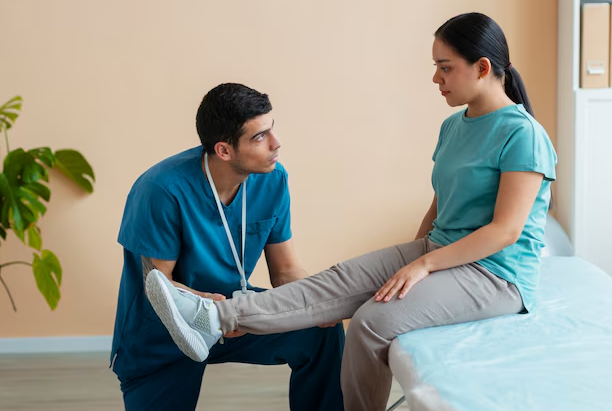
Physical therapy is one of the most effective approaches for managing knee pain naturally. A customized exercise program strengthens the muscles surrounding the knee, providing better support for the joint.
A physical therapist may focus on:
- Improving flexibility
- Increasing muscle strength
- Enhancing balance
- Correcting movement patterns
- Restoring range of motion
As muscles become stronger, pressure on the knee joint decreases, making everyday movements more comfortable.
Lifestyle Changes That Support Healthy Knees
Small daily habits can make a significant difference in managing knee discomfort. Healthy lifestyle choices often complement medical treatments and contribute to long-term relief.
Helpful lifestyle adjustments include:
- Maintaining a healthy body weight
- Staying physically active
- Wearing supportive footwear
- Practicing proper posture
- Avoiding repetitive strain
Even simple modifications can reduce stress on the knee joint and help prevent future flare-ups.
Advanced Injection Therapies
Modern regenerative and therapeutic injections have become valuable options for patients seeking knee pain non surgical treatment. These treatments aim to reduce inflammation while supporting healthy joint function.
Depending on individual needs, healthcare providers may recommend different types of injections to improve comfort and mobility. These options are carefully evaluated based on the patient’s condition and treatment goals.
When combined with rehabilitation exercises, injections may provide enhanced results for many individuals.
The Importance of Strength and Flexibility
Strong muscles act like natural shock absorbers for your knees. Weak muscles can increase joint stress and make pain worse over time.
A balanced fitness routine should include:
- Gentle stretching
- Low impact strengthening exercises
- Core stability training
- Balance exercises
These activities help improve joint stability while reducing unnecessary pressure during everyday movement.
Choosing Low Impact Activities
Exercise remains important even when knee pain is present. The key is selecting activities that protect the joint while keeping the body active.
Some excellent low impact exercises include:
- Walking on level surfaces
- Swimming
- Cycling
- Water aerobics
- Gentle yoga
These activities encourage healthy movement without placing excessive strain on the knees.
When Professional Evaluation Matters
Persistent knee pain should never be ignored. Early evaluation allows healthcare professionals to determine the source of discomfort before symptoms become more severe.
Medical providers typically assess:
- Pain location
- Joint stability
- Range of motion
- Previous injuries
- Activity level
A thorough assessment helps create a treatment plan tailored to each patient’s specific condition rather than relying on a one-size-fits-all approach.
Building a Personalized Recovery Plan
Every patient experiences knee pain differently. Factors such as age, activity level, overall health, and the cause of pain all influence treatment recommendations.
A personalized care plan may include physical therapy, activity modifications, targeted exercises, therapeutic injections, and ongoing monitoring. Combining multiple approaches often produces better outcomes than relying on a single treatment method.
Consistency also plays an important role. Following recommended exercises and healthy lifestyle habits helps maximize recovery while reducing the likelihood of recurring discomfort.
Conclusion
Living with knee pain does not always mean surgery is the only solution. Today, knee pain non surgical treatment offers effective options that focus on relieving discomfort, improving movement, and supporting long-term joint health. Working with experienced healthcare professionals allows patients to receive individualized care that fits their unique needs and lifestyle. At Seamless, the focus is on helping patients regain confidence in their movement through comprehensive, patient-centered treatment plans. Contact us today to learn more about your non surgical treatment options and take the first step toward healthier, more comfortable knees.