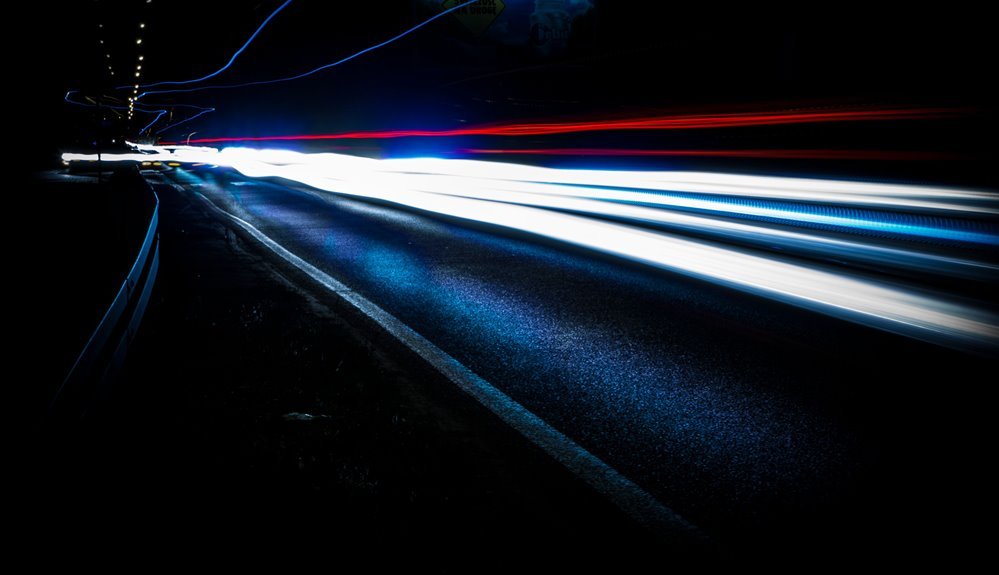
Shutter speed determines how long a camera sensor collects light, shaping motion as blur or clarity. Slow speeds yield trailing, while fast speeds freeze detail with precision. Everyday scenes hinge on the trade-off between continuity and sharpness, guiding what the viewer perceives as tempo or action. The choices set the narrative rhythm of a frame, and the implications extend beyond technique to what the scene communicates. The next step clarifies how to pick the right speed for common subjects.
What Shutter Speed Does for Motion in Photos
Shutter speed determines how long the camera’s sensor is exposed to light, directly shaping how motion appears in an image. It defines motion blur by controlling exposure timing, converting subject movement into trackable visual effects or crisp detail. This parameter governs practical timing decisions, correlating shutter duration with action pace, lighting, and desired narrative clarity in technical, freedom-minded photography.
Slow vs. Fast Shutter: How Motion and Blur Look
Slow and fast shutter speeds produce distinctly different motion impressions by controlling how long the sensor records action. Slow speeds yield soft motion, revealing trails that convey continuity and pace, whereas fast speeds capture a sharp freeze, arresting detail in rapidly moving subjects. Each choice defines perceived dynamics, texture, and rhythm, shaping expression without altering the scene’s fundamental physics.
Everyday Scenarios: Freezing Action vs. Creating Trails
In everyday scenes, choosing between freezing action and creating motion trails hinges on the intended narrative: sharp freezes emphasize precise moments, while trails convey motion, tempo, and spatial context.
Motion blur appears when intent favors atmosphere over precision; freezing action yields crisp subjects and defined edges.
Technical choices govern readability, not ornament: capture intent, shutter logic, and scene illumination to sustain disciplined storytelling.
Practical Guide: Choosing Shutter Speed for Common Subjects
A practical guide to shutter speed for common subjects establishes clear defaults: match motion intent to exposure timing, then adjust within a defined range to preserve detail or convey speed.
For moving subjects, balance depth of field and motion blur, selecting faster speeds for clarity or slower speeds for context.
Consider ISO tradeoffs, noise, and lighting to maintain discipline and freedom.
Quick Tips and Camera-Smart Techniques to Experiment With
Quick tips and camera-smart techniques invite experimentation with shutter speed, encouraging photographers to test how small adjustments alter motion portrayal.
Practitioners evaluate shutter speed alongside motion blur and cadence, calibrating dynamic range and ISO balance to preserve detail while revealing subject intent.
Systematic comparisons reveal actionable patterns, enabling rapid, intentional decisions that optimize exposure, contrast, and narrative clarity without sacrificing creative freedom or technical rigor.
Frequently Asked Questions
How Does Shutter Angle Relate to Shutter Speed in Video?
Shutter angle translates to exposure duration in a circular fashion; larger angles yield more motion blur, smaller angles less. In practice, shutter angle affects motion perception alongside shutter speed, ISO noise, and post-production color grading decisions.
Can Shutter Speed Affect Color Accuracy in Bright Light?
In bright light, shutter speed can affect color accuracy by altering white balance consistency and sensor saturation; a startling 12% color shift occurs when exposure exceeds dynamic range. This impacts color calibration and light falloff management, decisively.
What’s the Ideal Shutter Speed for Night Photography?
The ideal shutter speed for night photography depends on motion and light, but typically around 1/60 to 1/125 second for static scenes. Maintain an ideal aperture, ISO balance, and stable tripod to minimize noise and blur.
How Does Sensor Readout Impact Motion Capture?
Symbols flicker like a silent metronome; sensor readout impacts motion capture by introducing rolling shutter effects, exposure artifacts, and timing misalignments, complicating precise motion. Informed observers note sensor readout impacts with disciplined, freedom-loving technical rigor.
Is 1/2000s Enough to Freeze Dragonflies in Flight?
Yes, 1/2000s is typically sufficient to freeze dragonflies in flight, minimizing motion blur. Dragonflies in flight demand precise timing and expect high shutter speeds, reducing motion blur while preserving edge sharpness and detail.
Conclusion
In the grand workshop of light, shutter speed is the master’s metronome, guiding every motion’s breath. Slow speeds are the patient cartographer, tracing trails of time; fast speeds, precise chisels, freezing essence with clinical clarity. Motion becomes language: arrows of velocity, spirals of energy, or stillness dressed as truth. When choosing tempo, one must calibrate toward narrative intention—motion’s story told through exposure. In this skilled balance, the image speaks with deliberate, measurable intent.