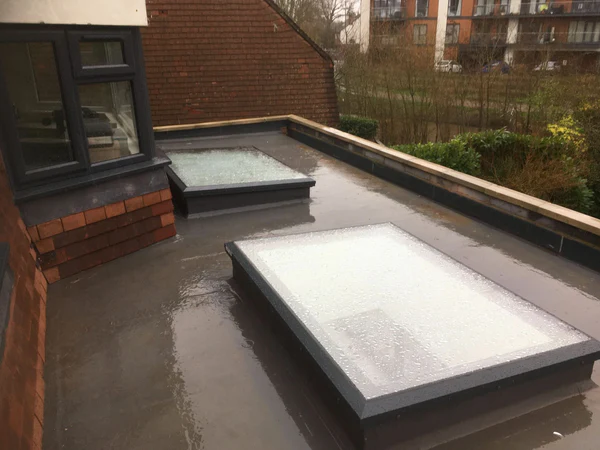
Natural light has become one of the most desirable features in modern homes. Whether you are renovating an existing property or planning a new extension, introducing more daylight can completely transform the atmosphere of your living space. One of the most effective ways to achieve this is by incorporating fixed flat rooflights into your design. They allow daylight to flood interiors, create a greater sense of openness, and enhance the connection between indoor and outdoor spaces without compromising the clean lines of contemporary architecture.
As homeowners continue to prioritise energy efficiency, comfort, and stylish interiors, roof glazing solutions have become an increasingly popular feature. Understanding how they work and where they perform best can help you make informed decisions that add both visual appeal and practical value to your property.
Why Natural Light Matters More Than Ever
Modern living spaces are expected to be bright, welcoming, and adaptable. Large windows remain popular, but they cannot always provide enough daylight, particularly in extensions, hallways, kitchens, or rooms surrounded by neighbouring buildings.
Roof glazing introduces light from above, allowing sunlight to spread more evenly throughout a room. This often creates a brighter environment compared with traditional vertical windows alone.
Some of the key benefits include:
- Increased natural daylight throughout the home.
- A greater feeling of spaciousness in smaller rooms.
- Improved visual appeal with cleaner architectural lines.
- Better connection with changing skies and outdoor surroundings.
- Reduced reliance on artificial lighting during daylight hours.
These advantages contribute to homes that feel more comfortable and inviting throughout the year.
See also: Build a Smarter Fitness Space That Fits Modern Canadian Living
The Growing Popularity of Contemporary Roof Glazing
Architectural trends increasingly favour minimalist designs with uncluttered surfaces and simple geometry. Roof glazing fits naturally within this style by providing light without interrupting wall space or furniture layouts.
Unlike traditional roof windows that often open outward, fixed glazing offers uninterrupted glass panels that create a sleek appearance from both inside and outside the property.
This approach works particularly well with:
- Rear extensions.
- Open-plan kitchens.
- Dining areas.
- Garden rooms.
- Home offices.
- Hallways with limited external walls.
The result is a brighter environment that supports modern lifestyles while maintaining elegant architectural proportions.
How Roof Glazing Changes Interior Spaces
The impact of overhead daylight goes beyond simple illumination. Light entering from above behaves differently from light entering through side windows.
Instead of casting long shadows across a room, overhead daylight spreads more evenly across walls, ceilings, and flooring. This balanced distribution helps create interiors that appear larger, fresher, and more welcoming.
Interior designers often use natural overhead light to highlight:
- Feature walls.
- Contemporary kitchens.
- Indoor plants.
- Natural timber finishes.
- Stone worktops.
- Decorative flooring.
The effect changes throughout the day, giving interiors a constantly evolving appearance.
Energy Efficiency and Modern Performance
Today’s glazing technology has developed significantly. High-quality roof glazing products are designed to help maintain indoor comfort while allowing generous levels of natural light.
Modern glazing systems typically incorporate features such as:
- Advanced thermal insulation.
- High-performance glazing.
- Weather-resistant construction.
- Strong structural integrity.
- Effective condensation management.
These characteristics help create comfortable living spaces across changing seasons while supporting improved energy performance.
Careful product selection and professional installation are equally important to ensure the glazing performs as intended for many years.
Choosing the Right Location
Successful roof glazing depends largely on thoughtful placement. Every property has different lighting conditions, roof layouts, and room functions.
When planning installation, consider factors such as:
- The direction the roof faces.
- The purpose of the room.
- Existing window positions.
- Ceiling height.
- Internal layout.
- Privacy requirements.
A well-positioned rooflight can completely alter how a room feels without requiring major structural changes elsewhere in the property.
Complementing Different Architectural Styles
Although roof glazing is often associated with contemporary homes, it can also complement more traditional properties when chosen carefully.
Minimalist glazing designs blend comfortably with:
- Modern extensions.
- Victorian renovations.
- Barn conversions.
- Period properties with sympathetic updates.
- New-build homes.
- Garden studios.
The key lies in selecting designs that respect the existing architecture while introducing improved natural lighting.
Rather than dominating the roofline, well-designed glazing becomes an integrated feature that enhances the building’s overall appearance.
Creating Better Living Spaces
People increasingly want homes that support relaxation, productivity, and wellbeing. Natural light plays an important role in achieving these goals.
Bright environments can make everyday activities more enjoyable, whether you are preparing meals, reading, entertaining guests, or simply spending time with family.
Many homeowners also appreciate the opportunity to enjoy changing weather conditions from indoors. Watching drifting clouds, rainfall, or evening skies through roof glazing adds another dimension to daily living.
During the planning stage, many property owners explore solutions from trusted specialists such as Skylight Roof Lanterns, helping them understand the glazing options best suited to their home’s layout and design aspirations.
Maintenance Made Simple
One reason fixed roof glazing remains attractive is its relatively straightforward maintenance requirements.
Keeping glazing in excellent condition generally involves:
- Cleaning external glass when safely accessible.
- Wiping internal surfaces regularly.
- Inspecting seals during routine property maintenance.
- Removing debris that may collect around surrounding roof areas.
- Checking drainage channels where applicable.
Following manufacturer guidance helps preserve both appearance and long-term performance.
Professional inspections may also be worthwhile if significant roof work is carried out elsewhere on the property.
Supporting Sustainable Home Design
Sustainability continues to influence residential architecture across the United Kingdom. Homeowners increasingly seek design choices that balance aesthetics with environmental responsibility.
Roof glazing contributes to this objective by encouraging greater use of natural daylight inside the home.
Additional sustainability benefits may include:
- Reduced dependence on daytime electric lighting.
- Improved indoor comfort.
- Better use of passive daylight.
- Long-lasting construction materials.
- Integration with wider energy-efficient home improvements.
When combined with thoughtful insulation and quality construction, roof glazing supports homes designed for modern environmental expectations.
Design Considerations Before Installation
Every successful project begins with careful planning. Before selecting a roof glazing solution, it is helpful to assess both practical requirements and visual goals.
Questions worth considering include:
- How much natural light does the room currently receive?
- Will furniture placement benefit from overhead lighting?
- Does the roof structure support the desired glazing design?
- How will the glazing appear from both inside and outside?
- Will the design complement future renovation plans?
Answering these questions early helps create a more cohesive final result while avoiding unnecessary design compromises.
Consulting experienced professionals can also provide valuable insight into building regulations, structural considerations, and suitable glazing specifications.
Blending Function with Style
Modern homeowners no longer view practical building features as purely functional. Every design element contributes to the overall character of a property.
Roof glazing demonstrates this balance particularly well by combining visual elegance with everyday practicality.
Its clean appearance complements:
- Neutral interior colour schemes.
- Contemporary furnishings.
- Open-plan layouts.
- Natural materials.
- Minimalist architecture.
- Modern landscaping visible through surrounding glazing.
This versatility explains why roof glazing continues to feature in many renovation and extension projects.
As architectural preferences evolve, demand remains strong for solutions that improve both aesthetics and everyday living without overwhelming the existing design.
Conclusion
Natural daylight has the power to transform how a home looks, feels, and functions. Carefully planned roof glazing creates brighter interiors, enhances architectural character, and supports comfortable everyday living while complementing a wide range of property styles. By selecting quality products, considering thoughtful placement, and working with experienced professionals, homeowners can create spaces that remain attractive and practical for years to come. If you are exploring ways to bring more daylight into your property and would like expert guidance, simply contact us to discuss the possibilities for your next home improvement project.