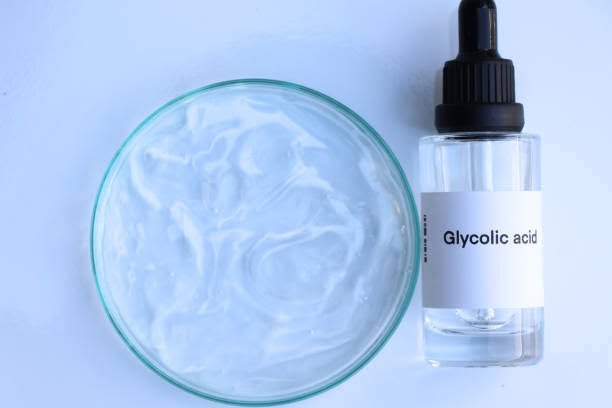
Hyperpigmentation is one of the most persistent and frustrating skin concerns, particularly in South Asian skin tones where post-inflammatory pigmentation tends to be deeper and longer-lasting. Among the many ingredients marketed for dark spots, glycolic acid is one of the few with robust clinical evidence behind it. But does it live up to the claims? Here is what the research and clinical practice actually show.
Understanding Hyperpigmentation
Hyperpigmentation occurs when melanocytes, the pigment-producing cells in the skin, become overactive. This overactivation can be triggered by UV exposure, inflammation from acne, hormonal changes, or injury to the skin. The result is concentrated deposits of melanin that appear as dark patches, spots, or an uneven tone.
Post-Acne Marks (Post-Inflammatory Hyperpigmentation)
This is the most common form of pigmentation in acne-prone skin. After a breakout heals, the inflammatory response triggers melanin production at the site, leaving a flat dark mark. These marks are not scars in the structural sense – there is no damage to the skin architecture – but they can persist for months without targeted treatment.
Sun Damage
Cumulative UV exposure causes irregular melanin distribution across the face, arms, and chest. This manifests as sun spots or lentigines, which are often lighter brown and flat. They are common in people who have had years of unprotected sun exposure.
Melasma
Melasma is a deeper, more complex form of pigmentation often linked to hormonal fluctuations and triggered or worsened by UV exposure. It typically appears as symmetrical patches on the cheeks, forehead, and upper lip. It is more resistant to treatment and usually requires a multi-ingredient approach.
How Glycolic Acid Targets Dark Spots
Glycolic acid addresses hyperpigmentation primarily through accelerated cell turnover. By breaking down the bonds between dead skin cells, it speeds up the natural shedding cycle. Pigmented cells that would otherwise sit on the skin surface for weeks are shed faster, allowing newer, less pigmented cells to come through.
At higher concentrations, glycolic acid also inhibits tyrosinase, an enzyme central to melanin production. This dual action – both removing existing pigmented cells and slowing the formation of new pigment – makes it more comprehensive than simple exfoliants that only address the surface layer.
Clinical studies have shown that consistent use of glycolic acid at concentrations between five and twelve percent can significantly reduce the appearance of post-inflammatory hyperpigmentation and mild sun damage over eight to twelve weeks.
Read Also: Low Carb Fruits List: 15 Delicious Options for Healthy Living
Glycolic Acid vs Other Brightening Ingredients
Several ingredients compete in the brightening space. Understanding how glycolic acid compares helps set realistic expectations.
Vitamin C is an antioxidant that inhibits melanin production and offers photoprotection. It works best at preventing new pigmentation and improving overall radiance. Kojic acid directly inhibits tyrosinase and is particularly useful for stubborn dark spots. Alpha arbutin is a gentle melanin inhibitor suitable for sensitive skin. Niacinamide prevents melanin transfer to skin cells and reduces overall discolouration.
Glycolic acid is most effective when used alongside these ingredients rather than as a standalone treatment. It enhances the penetration and effectiveness of brightening actives by clearing the dead cell layer that would otherwise impede absorption.
The Right Concentration for Hyperpigmentation
For home use, glycolic acid concentrations between five and ten percent are appropriate and effective. Formulations in this range are strong enough to produce meaningful cell turnover without compromising the skin barrier with regular use.
Concentrations above fifteen percent are typically reserved for professional peels performed by dermatologists. These produce faster results but come with higher risk of irritation, temporary skin sensitivity, and potential for post-inflammatory pigmentation if not managed correctly. Ironically, aggressive peeling in darker skin tones can trigger the very pigmentation it is trying to treat.
How Long Before You See Results?
For post-acne marks, visible fading typically begins at four weeks of consistent use, with significant improvement at eight weeks. Sun spots and diffuse discolouration follow a similar timeline. Melasma requires longer treatment, often twelve weeks or more, and almost always requires combination therapy rather than glycolic acid alone.
Consistency is the single most important factor. Using glycolic acid once a week will produce minimal results. Using it three to four times per week at an appropriate concentration, alongside daily sunscreen, is what drives meaningful improvement.
Precautions When Using Glycolic Acid for Pigmentation
The most critical precaution is daily sunscreen use. Glycolic acid removes the dead cell layer that provides some passive UV protection. Without sunscreen, UV exposure will continue to stimulate melanin production and undo any progress made. Use a broad-spectrum SPF 50 every morning, regardless of whether you are indoors or outdoors.
Avoid combining glycolic acid with other strong actives on the same evening, particularly retinol or other AHAs. Layering multiple exfoliants or actives increases the risk of irritation and barrier disruption, which in darker skin tones can trigger post-inflammatory pigmentation.
If you experience persistent redness, peeling, or darkening of existing spots, reduce frequency and consult a dermatologist. These signs indicate that your routine may need adjustment.
Conclusion
Glycolic acid is a clinically proven ingredient for hyperpigmentation that works by accelerating cell turnover and interfering with melanin production. Used at the right concentration with appropriate sun protection, it delivers measurable results over eight to twelve weeks. To find formulations that are effective for Pakistani skin and climate, browse the full range of glycolicacid products specifically designed for consistent, safe at-home exfoliation.