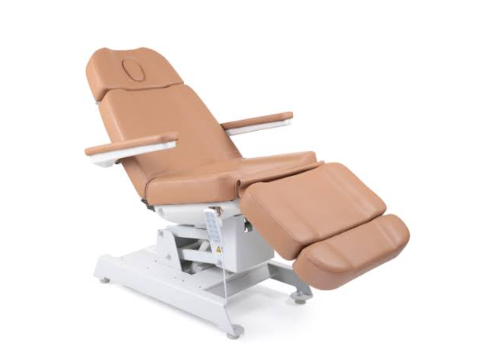
Dermatology practices depend on equipment capable of supporting precise clinical examination alongside patient comfort, making the selection of a dermatology examination chair a genuinely important decision that affects both clinical workflow and overall patient experience during visits.
Balancing Clinical Function With Patient Comfort
Unlike purely spa-oriented equipment, a dermatology examination chair needs to support genuine clinical requirements, including positioning that allows thorough skin examination across various body areas, while still maintaining reasonable patient comfort throughout what can sometimes be a lengthy examination process.
See also: Zellige Tile vs Ceramic Tile: Which One Enhances Your Kitchen Aesthetics?
Adjustability for Comprehensive Examination Access
Electric adjustability plays a particularly important clinical role in dermatology settings, allowing practitioners to reposition patients efficiently for examining different body areas without requiring patients to physically shift positions repeatedly throughout an examination or procedure.
Material Considerations for Clinical Settings
Given the clinical nature of dermatology practice, upholstery materials need to support rigorous sanitization protocols between patients, making genuinely easy-to-clean, durable materials a non-negotiable consideration rather than simply a comfort or aesthetic preference.
Lighting Integration Considerations
Some dermatology examination chairs incorporate or accommodate integrated lighting systems, supporting the detailed visual examination dermatological practice often requires, particularly for identifying subtle skin conditions that benefit from optimal lighting conditions during assessment.
Supporting Procedural Use Beyond Basic Examination
Many dermatology practices use their examination chairs for minor procedures beyond basic visual examination, making stability, appropriate positioning options, and practitioner accessibility during procedures genuinely important functional considerations beyond simple seating.
Dermatology practices researching equipment options can find detailed feature comparisons through this resource on dermatology examination chair models suited for clinical use.
Weight Capacity and Structural Reliability
Confirming appropriate weight capacity ensures the chair genuinely accommodates the full range of patients a dermatology practice serves, an important baseline consideration for both patient safety and long-term equipment durability under regular clinical use.
Compliance and Clinical Standard Considerations
Depending on specific practice requirements and local regulations, certain clinical standards may apply to examination equipment, making it worth confirming that any considered chair genuinely meets relevant requirements for professional medical use.
Final Thoughts
Selecting the right dermatology examination chair requires balancing genuine clinical functionality, adjustability for thorough examination access, and appropriate material durability, ensuring the equipment supports both practitioner efficiency and patient comfort throughout regular clinical use.
Frequently Asked Questions
Why does adjustability matter more in dermatology settings than general seating? Efficient repositioning supports thorough examination of different body areas without requiring patients to repeatedly shift positions themselves throughout an appointment.
What cleaning standards should dermatology chair materials meet? Materials need to support rigorous sanitization protocols between patients, making durability and ease of thorough cleaning genuinely essential considerations.
Are dermatology examination chairs suitable for minor in-office procedures? Many practices do use them for this purpose, making stability and practitioner accessibility during procedures worth considering alongside basic examination functionality.