Most homeowners don’t think about their plumbing system until something goes wrong — a pipe bursts, a drain backs up, or a ceiling starts showing a mysterious water stain. But plumbing problems rarely appear out of nowhere. In almost every case, there are warning signs weeks or even months before a small issue turns into an expensive repair.
The good news is that these signs are usually easy to spot if you know what to look for. Catching them early can save you thousands in water damage repairs, mold remediation, and emergency call-out fees. In this guide, we’ll walk through five of the most common signs that your home’s plumbing needs a professional inspection — and why ignoring them almost always costs more in the long run.
1. Slow or Gurgling Drains
If water is taking longer than usual to drain from your kitchen sink, bathroom sink, or shower, that’s your plumbing system’s way of raising a flag. A single slow drain is often a localized clog — hair, soap scum, or food debris built up in that specific pipe. But when multiple drains around the house are slow at the same time, it usually points to a deeper issue in your main line, such as a blockage, tree root intrusion, or a partially collapsed pipe.
Gurgling sounds are an even stronger warning sign. That gurgle happens when air gets trapped in the pipes because water isn’t flowing through smoothly — often due to a blockage further down the line or a venting problem. Left unaddressed, a gurgling drain can eventually lead to a full backup, which is messier, smellier, and far more expensive to fix than a simple clearing would have been.
What to watch for:
- Water pooling around your feet in the shower
- Sinks that drain in fits and starts rather than a steady flow
- A gurgling noise from the toilet when you run the washing machine or dishwasher
- Multiple drains slowing down around the same time
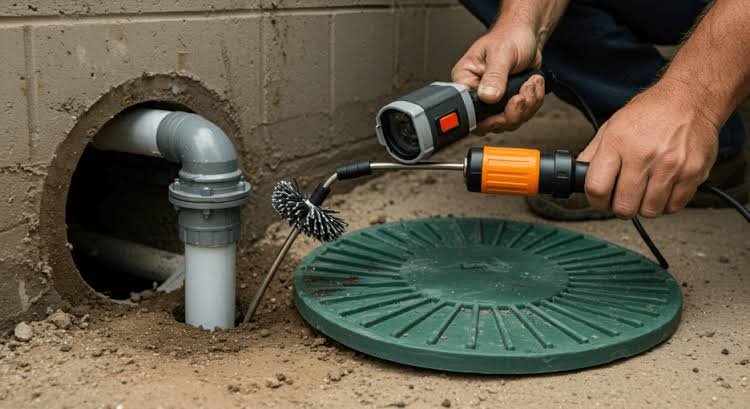
A professional inspection at this stage typically involves a simple camera scope of the line, which can identify exactly where the blockage or damage is — without any guesswork or unnecessary digging.
2. Unexplained Drops in Water Pressure
Water pressure that suddenly feels weaker than usual — whether in the shower, at the kitchen tap, or when filling a bucket — is one of the most overlooked plumbing red flags. Many homeowners assume it’s just a municipal supply issue and wait it out. Sometimes that’s true. But persistent, isolated pressure drops (meaning only certain taps in your house are affected, not the whole neighborhood) usually point to something happening inside your own pipework.
Common causes include:
- Mineral buildup or corrosion inside older pipes, especially in homes with galvanized steel plumbing or in areas with hard water. Over years, mineral deposits narrow the internal diameter of the pipe, restricting flow.
- A hidden leak somewhere in the system. When water is escaping before it reaches the tap, whatever’s left arrives at reduced pressure.
- A failing pressure regulator, if your home uses one, which can either choke supply or let it run unregulated.
- Partial pipe blockages from sediment, especially in homes with older water tanks that haven’t been cleaned in years.
If you notice pressure dropping gradually over months, that’s usually corrosion or sediment buildup. If it happens suddenly, overnight, that’s more likely a leak or a sudden pipe failure — and it deserves urgent attention, not a “let’s see if it gets better” approach.
3. Unusually High Water Bills
Your water bill is one of the most honest indicators of your plumbing system’s health — and one of the easiest to ignore, since most people don’t scrutinize utility bills line by line. If your bill spikes noticeably without a corresponding change in your household’s water usage (no new residents, no extra laundry loads, no filled swimming pool), there’s a strong chance water is leaking somewhere you can’t see.
The tricky part about hidden leaks is that they’re often completely silent. A slow leak inside a wall, under a slab foundation, or underground between your water meter and your house can waste hundreds of liters a day without a single visible drip. By the time you notice a damp patch or a moldy smell, the leak has often been running for weeks.
A simple way to check for a hidden leak yourself:
- Make sure no water is being used anywhere in the house — no taps running, no washing machine or dishwasher on.
- Locate your water meter and note the reading.
- Wait 1–2 hours without using any water.
- Check the meter again. If the number has moved, water is escaping somewhere in the system.
This test won’t tell you where the leak is, but it will confirm that one exists — which is exactly the kind of finding a professional inspection is built to track down using pressure testing and leak-detection equipment.
Read Also: Brighten Your Home with Smarter Roof Glazing Design Choices
4. Damp Patches, Stains, or Peeling Paint on Walls and Ceilings
Visible water damage is the sign most people finally act on — but by the time a stain, bubble, or patch of peeling paint appears on your wall or ceiling, the leak causing it has usually been active for some time. Water doesn’t travel in straight lines once it escapes a pipe; it follows gravity and the path of least resistance through wood, drywall, and insulation before it finally shows up somewhere visible. That means the stain on your ceiling might be several feet away from the actual source of the leak.
Signs to take seriously:
- Yellow or brown rings on ceilings, especially below bathrooms or kitchens on an upper floor
- Peeling or bubbling paint, which indicates moisture trapped behind the surface
- A persistent musty smell, even without visible staining — a strong sign of mold growth inside a wall cavity
- Warped or soft flooring near bathrooms, kitchens, or laundry areas
- Discoloration around windows or where pipes run through exterior walls
Beyond the cosmetic damage, prolonged moisture inside walls creates the ideal environment for mold, which can affect indoor air quality and, in some cases, become a genuine health concern for people with respiratory sensitivities. This is one of the clearest cases where waiting for the problem to “resolve itself” almost never works out — the leak needs to be located and repaired, and often the affected material needs to be dried out or replaced entirely.
5. Age of Your Plumbing System
Sometimes the biggest sign your plumbing needs an inspection isn’t a symptom at all — it’s simply the age of the system. Pipes, like everything else in a home, have a lifespan, and that lifespan varies significantly by material:
- Galvanized steel pipes: typically last 40–50 years before corrosion becomes a serious issue
- Copper pipes: generally last 50+ years with proper maintenance
- PVC and modern plastic piping: can last several decades but are still vulnerable to poor installation or shifting foundations
- Water tanks: even well-maintained tanks benefit from cleaning and inspection every 6–12 months, since sediment buildup affects both water quality and pressure over time
If you’ve moved into an older home, or you’re not sure how old your plumbing system is, it’s worth getting a baseline inspection even if nothing seems obviously wrong. A professional can assess pipe material, check for early corrosion, test water pressure and quality, and give you a realistic sense of how many years you have before major work is needed — which is far more useful than finding out the hard way, in the middle of the night, when a pipe finally gives out.
Why Early Inspection Beats Emergency Repair Every Time
There’s a pattern that shows up again and again in plumbing: small, cheap problems that get ignored eventually become large, expensive ones. A minor leak that would have taken twenty minutes to fix can, left unaddressed for six months, lead to warped flooring, mold remediation, and even structural repairs. A slow drain that seemed like a minor inconvenience can become a full sewage backup during exactly the wrong week.
The reason routine inspections make financial sense isn’t just peace of mind — it’s that plumbing problems compound. Water finds new paths as it escapes, damage spreads to materials that are far more expensive to repair than the original pipe, and by the time an issue becomes visible or an emergency, you’re usually looking at a repair bill several times larger than if it had been caught early.
If you’ve noticed even one of the five signs above — slow or gurgling drains, dropping water pressure, a climbing water bill, damp patches on your walls, or simply an aging plumbing system you’ve never had checked — it’s worth having a professional take a look before the problem escalates. A proper inspection typically takes less than an hour and can save you from a much larger repair down the line.
For homeowners in Islamabad and Rawalpindi dealing with any of these warning signs, consulting a professional plumber in Islamabad is the simplest way to get an accurate diagnosis rather than guessing at the cause yourself. A trained eye can spot early corrosion, pinpoint hidden leaks, and recommend fixes before small issues become costly ones — turning what could be an emergency repair into a routine, manageable job.