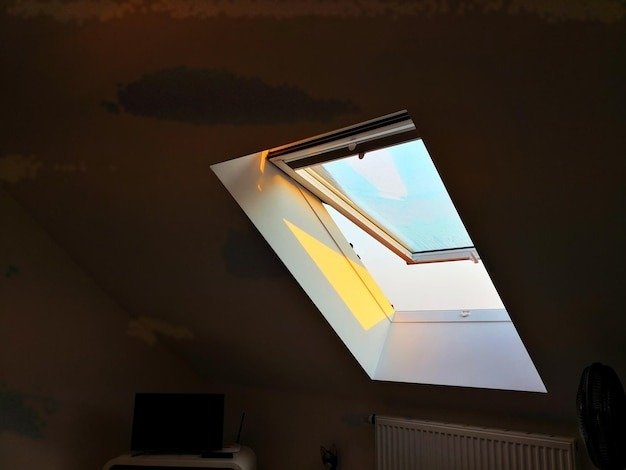
Modern home design is moving beyond appearance and focusing more on how spaces feel, function, and connect with the outdoors. One of the strongest trends influencing this shift is biophilic design, which brings natural elements into everyday living spaces. Natural light is central to this approach, helping interiors feel brighter, more open, and connected to the world outside. For homeowners exploring ways to improve daylight without sacrificing architectural character, knowing where to buy pitched rooflights can be an important part of the planning process.
Pitched rooflights are particularly interesting because they work with the angle of a sloping roof to introduce daylight from above. Unlike conventional windows that mainly bring light in from the side, rooflights can distribute illumination deeper into a room. This makes them useful for modern extensions, converted spaces, kitchens, living areas, and other rooms where natural light may otherwise be limited.
The Growing Appeal of Biophilic Home Design
Biophilic design is based on the idea that people benefit from stronger connections with nature. While plants, timber, natural textures, and outdoor views are familiar elements of this approach, daylight plays an equally important role.
A well-lit interior can influence the atmosphere of a room throughout the day. Morning light can create an energizing environment, while softer afternoon illumination can make a space feel calm and comfortable. Rather than relying entirely on artificial lighting, homeowners are increasingly considering how the structure of a property can work with available daylight.
This has made roof design an important part of interior planning. A rooflight can do more than brighten a room. Its position, shape, and orientation can contribute to the overall character of a space.
Why Pitched Rooflights Work So Well With Natural Light
The angle of a pitched roof creates an opportunity to capture daylight from above. This can be particularly valuable in areas where traditional windows cannot provide enough illumination.
Rooflights can help achieve several design benefits:
- Deeper daylight penetration: Light entering from above can reach areas farther from exterior walls.
- A stronger sense of openness: Overhead glazing can make rooms feel taller and more spacious.
- Better visual connection: Daylight can create a subtle connection between indoor spaces and changing outdoor conditions.
- Architectural interest: A carefully positioned rooflight can become an intentional feature rather than simply a functional addition.
- More flexible layouts: Better overhead illumination can reduce dependence on wall space for large windows.
The result is an interior that feels naturally brighter without requiring every wall to be covered with glazing.
Designing Around the Direction of Light
Adding a rooflight is only part of the process. Understanding how sunlight moves across a property can help determine where overhead glazing will have the greatest impact.
The direction a roof faces can influence the character of the daylight entering a room. Some orientations may provide stronger direct sunlight, while others can deliver more consistent, softer illumination. The surrounding buildings, trees, roof structures, and neighboring properties should also be considered because they can affect how much natural light reaches the glazing.
A good design therefore considers the entire environment rather than treating the rooflight as an isolated feature.
For example, a kitchen that receives strong morning light may benefit from a different rooflight position than a home office intended to remain comfortable during the afternoon. Thinking about how a room is used can help create a more practical relationship between daylight and daily activities.
Rooflights Can Transform Underused Spaces
Some areas of a home naturally receive less daylight than others. A pitched roof can make this especially noticeable in loft conversions, rear extensions, and rooms positioned beneath sloping ceilings.
A rooflight can help change the perception of these spaces. Instead of feeling enclosed or visually heavy, a room can gain a brighter focal point above eye level.
This can be particularly effective in:
Kitchen Extensions
Kitchens often combine several functions, including cooking, dining, entertaining, and family activities. Natural light from above can help create a welcoming environment while preserving valuable wall space for cabinets and appliances.
Loft Rooms
Sloping ceilings can make loft spaces distinctive, but they can also restrict conventional window placement. Rooflights can work naturally within the roof structure while introducing daylight into the room.
Living Areas
In living rooms and open-plan spaces, overhead daylight can complement larger windows and create different layers of illumination throughout the interior.
Home Workspaces
A well-planned rooflight can make a workspace feel less enclosed. However, glare and excessive direct sunlight should be considered carefully when positioning glazing near desks or screens.
Combining Rooflights With Other Natural Materials
Biophilic design works best when different elements support one another. A rooflight can provide the daylight, but materials and textures can help reinforce the natural character of the space.
Wooden surfaces, stone finishes, indoor plants, woven textures, and neutral tones can all work alongside natural illumination. Daylight changes how these materials appear during the day, creating subtle variations in texture and tone.
This is one reason natural light can have such a significant design impact. The same room may look completely different in the morning, afternoon, and evening because changing daylight interacts with its surfaces.
When planning a project, homeowners can therefore consider the rooflight, interior materials, wall finishes, and furniture as part of one connected design rather than separate decisions.
Choosing the Right Rooflight Design
Not every rooflight will produce the same visual effect. Shape, proportions, glazing area, frame design, and position can all influence the final result.
The architectural style of the property should also guide the selection. A contemporary extension may suit a clean and minimal rooflight design, while a more traditional property may benefit from a design that complements existing architectural details.
Function should remain equally important. Consider how the room is used, where furniture will be positioned, and whether the incoming light could create glare or unwanted heat.
Skylights Roof Lanterns provide another point of consideration for homeowners exploring roof glazing solutions that balance architectural appearance with the practical value of natural illumination.
Thinking Beyond Brightness
It is easy to assume that the main purpose of a rooflight is simply to make a room brighter. However, its influence can extend much further.
Natural light can change how large a room appears, emphasize architectural features, highlight textures, and create a stronger sense of connection with the outdoors. It can also introduce movement into an otherwise static interior as shadows and daylight patterns change throughout the day.
This makes rooflights particularly useful in minimalist interiors. When a room contains relatively few decorative elements, natural light can become part of the visual experience itself.
Instead of adding more objects to make a room interesting, homeowners can use light, space, and materials to create visual depth.
Balancing Daylight With Comfort
More natural light is not automatically better. Excessive direct sunlight can cause glare, make certain surfaces uncomfortable to touch, or create unwanted heat. Good design therefore requires balance.
The rooflight’s position, glazing specification, shading options, and surrounding architecture can all influence comfort. Window treatments or other shading solutions may also be useful where direct sunlight is particularly strong.
The goal is to create a room that benefits from daylight without becoming difficult to use during brighter parts of the day.
This is especially important in spaces with televisions, computer monitors, or other screens. The position of the rooflight should be considered alongside the position of these features so that natural light enhances the room rather than creating visual distractions.
Making Natural Light Part of the Architecture
One of the most interesting aspects of current home design is the shift toward treating light as an architectural material. Walls, ceilings, floors, and openings are being considered not only for their physical properties but also for the way they shape the movement of light.
A pitched rooflight can contribute to this approach by creating a deliberate opening between the interior and sky. The view may be limited compared with a conventional window, but the quality of overhead illumination can be distinctive.
This can also help create a stronger sense of height. In rooms with lower or sloping ceilings, looking upward toward a bright roof opening can make the space feel more expansive.
See also: Brighten Your Home with Smarter Roof Glazing Design Choices
Planning a Rooflight With the Whole Room in Mind
Before selecting a rooflight, it is worth considering the room as a complete environment. Think about where people sit, where furniture will be placed, how artificial lighting is arranged, and which areas currently feel dark.
It can also be useful to consider how the room will appear at different times of day. A design that looks ideal under strong daylight may produce a different effect during overcast conditions or after sunset.
Key considerations include:
- Room purpose: Identify how the space will be used before deciding where daylight should enter.
- Roof structure: Check how the existing roof design can accommodate the proposed glazing.
- Light distribution: Consider whether the rooflight will illuminate the areas that need it most.
- Visual balance: Choose proportions that complement the room instead of overwhelming it.
- Comfort: Account for glare, heat, ventilation, and shading as part of the overall design.
- Interior finishes: Use surfaces and materials that make effective use of the available daylight.
This approach helps ensure that the rooflight becomes an integrated part of the design rather than an afterthought.
The Future of Natural-Light-Focused Homes
As homeowners continue to prioritize wellbeing, flexibility, and thoughtful use of space, natural light is likely to remain an important part of residential design. Biophilic principles are encouraging people to look at homes as environments that should support everyday comfort rather than simply provide shelter.
Pitched rooflights fit naturally into this movement because they combine practical daylighting with architectural character. They can help bring light into spaces that might otherwise feel enclosed while giving designers another way to shape the atmosphere of a room.
The most successful designs are unlikely to focus on adding as much glazing as possible. Instead, they will focus on placing openings carefully, understanding how daylight behaves, and creating interiors where light works alongside materials, proportions, and views.
Conclusion
Natural light has become more than a desirable feature in contemporary home design. It is increasingly being treated as an essential part of how a space looks, feels, and functions. Pitched rooflights offer an effective way to bring daylight into areas that may have limited access to conventional windows while adding architectural interest to the roofline.
From kitchens and living areas to lofts and home workspaces, thoughtful rooflight placement can make interiors feel brighter, more open, and more connected to the natural world. The key is to consider the whole room, including its orientation, purpose, materials, comfort, and lighting needs.
If you are considering how natural light could transform your space, take time to explore the possibilities of roof glazing and how it can work with your home’s existing architecture. For guidance on suitable solutions and design considerations, contact us to discuss your requirements and create a daylight-focused space that feels both practical and inviting.